Journal
Field notesfrom a coaching agent in development.
Strength science, AI systems, and the engineering between them.
 7 min read
We audited our own AI against the research. It was over-prescribing.
Sixteen rules in the program engine, checked against the literature they were supposed to come from. One contradicted outright, five stricter than the evidence, one too gentle.
Read 6 min read
When to deload, and how much: what the evidence actually supports
Intermediates every four to six weeks, advanced lifters more often, beginners only when they stall. Cut a third to half of your sets and two RPE points. The literature is more specific than the folklore.
Read 6 min read
Anchored in the literature. Adaptive in the gym.
Strength science is settled enough to run on. Coaching is what we add to the methodologies that already work.
Read 8 min read
How we gave the coaching agent memory
What turns a chatbot into a coach is structured recall — the right slice of your history surfaced at the moment a programming call has to be made.
Read 8 min read
Cut frequency, not sets, when stress is the driver
Two failure modes look the same from outside — acute overwork and stress-driven recovery dysregulation. Volume cuts fix the first. Frequency cuts fix the second.
Read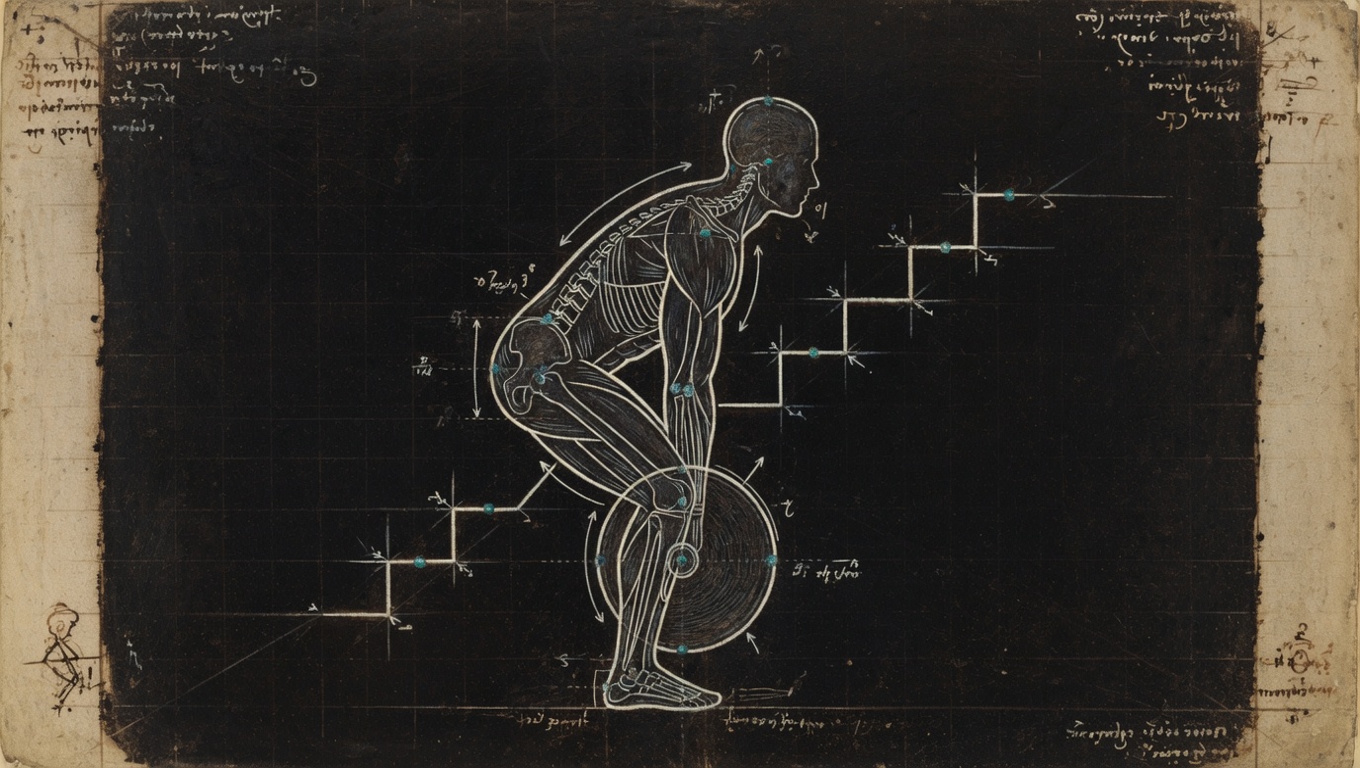 9 min read
5/3/1 with an AI coach: what changes when programming isn't manual
The parts of 5/3/1 that require judgment — TM resets, supplemental selection, AMRAP interpretation — are also the parts that go wrong most often. Automating that judgment is the unlock.
Read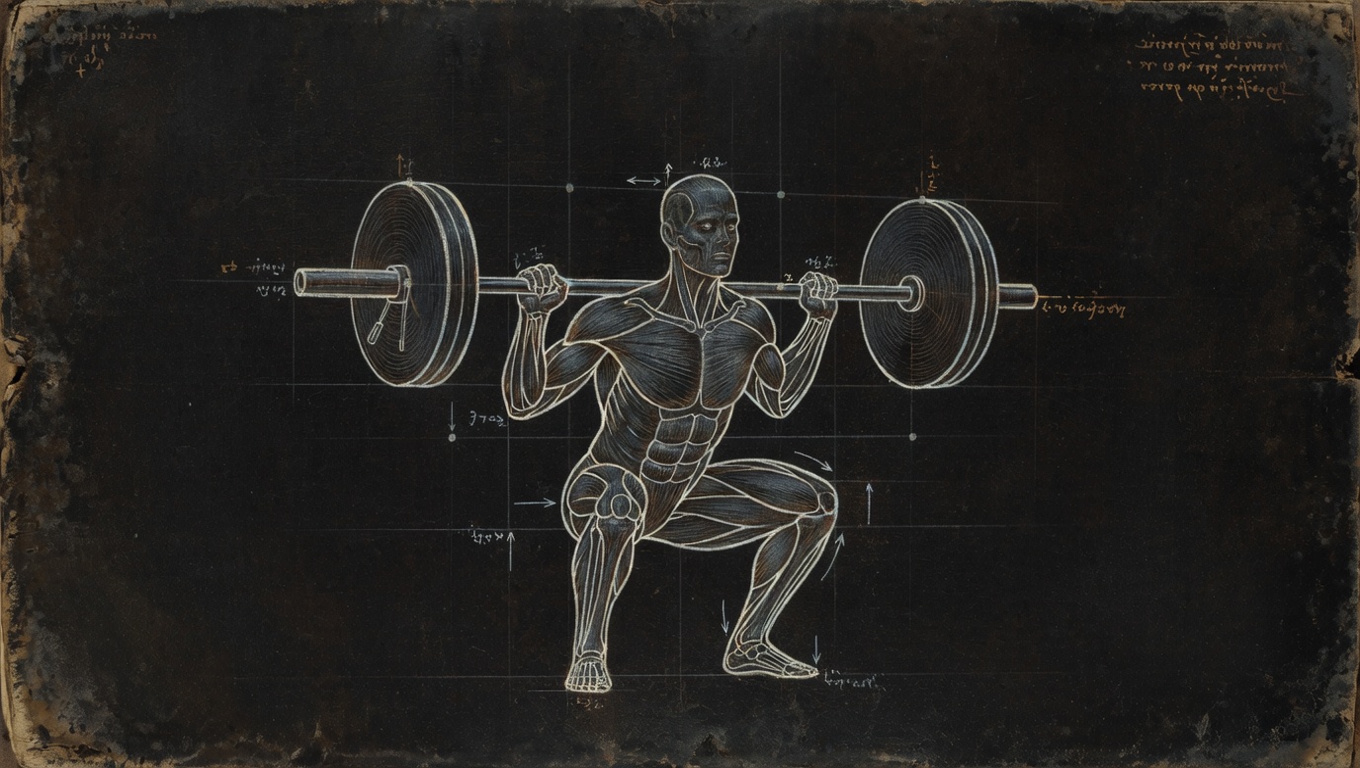 9 min read
GZCL method with an AI coach: how Yuge programs T1, T2, and T3 work
GZCL's three tiers are load-sharing across one system. Running them as three independent programs is where most apps break.
Read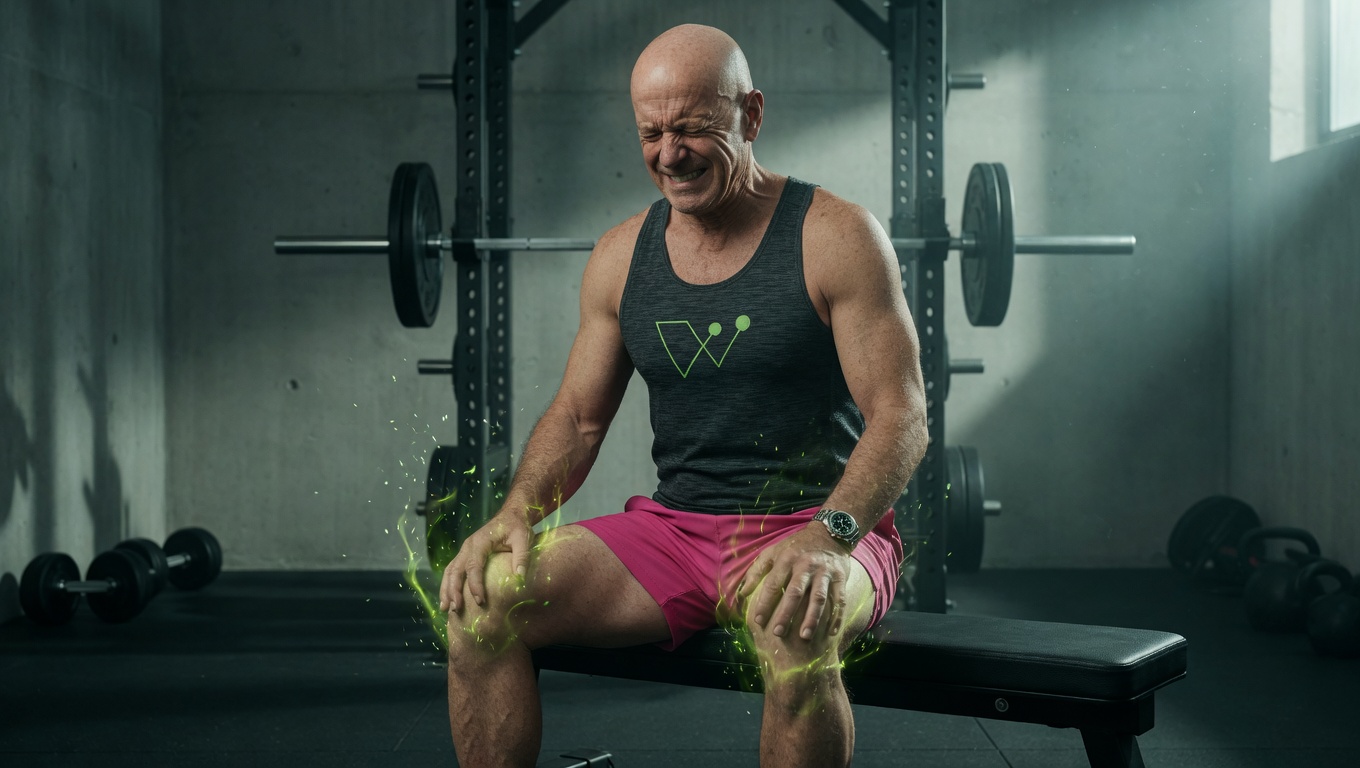 6 min read
Robert is 58. His knees are cooked. Here's what that taught us.
A 58-year-old simulated lifter with bad knees surfaced more safety failures than any prompt ever did. Adversarial sim is how the real bugs get caught.
Read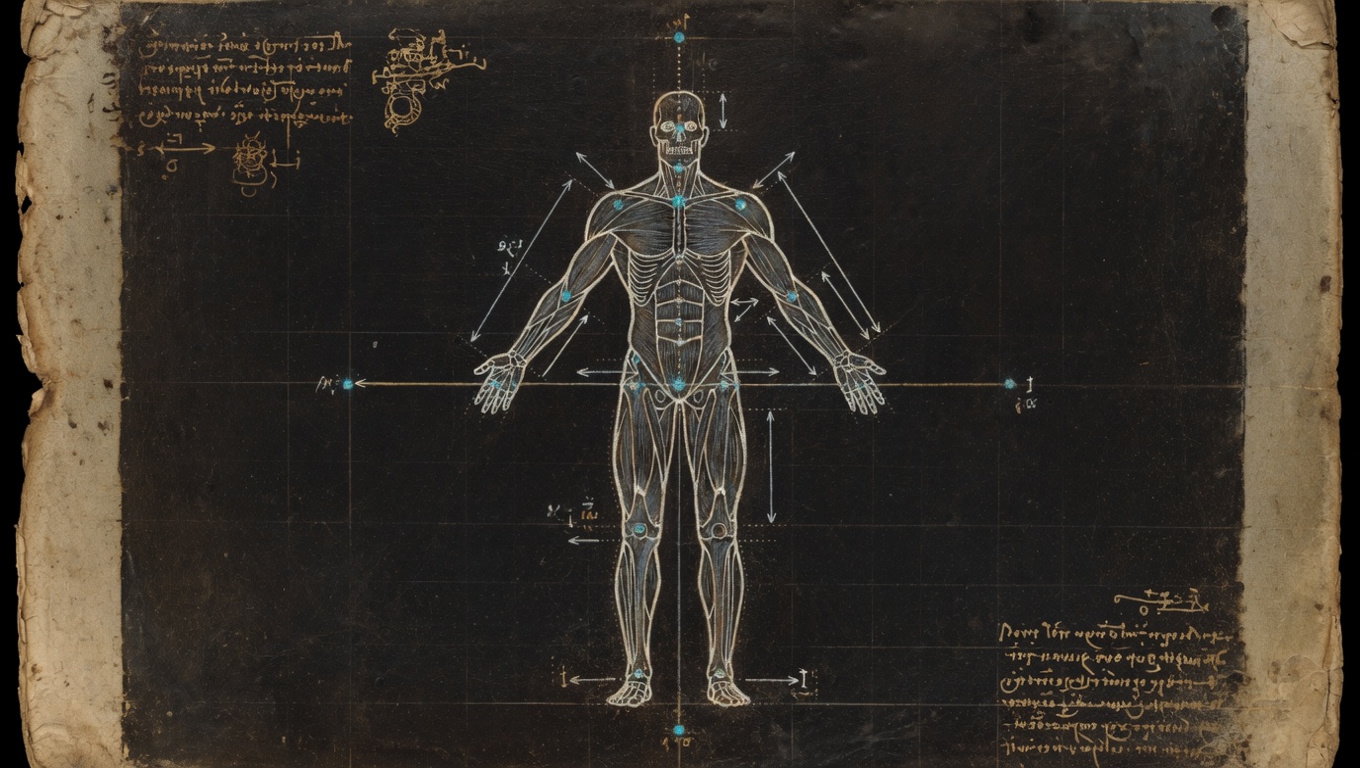 12 min read
Best AI training apps in 2026: what actually understands periodization
Eight AI training apps in 2026 broken down by what they actually do — tracker, expert system, smart trainer, conversational coach — and which one fits how you train.
Read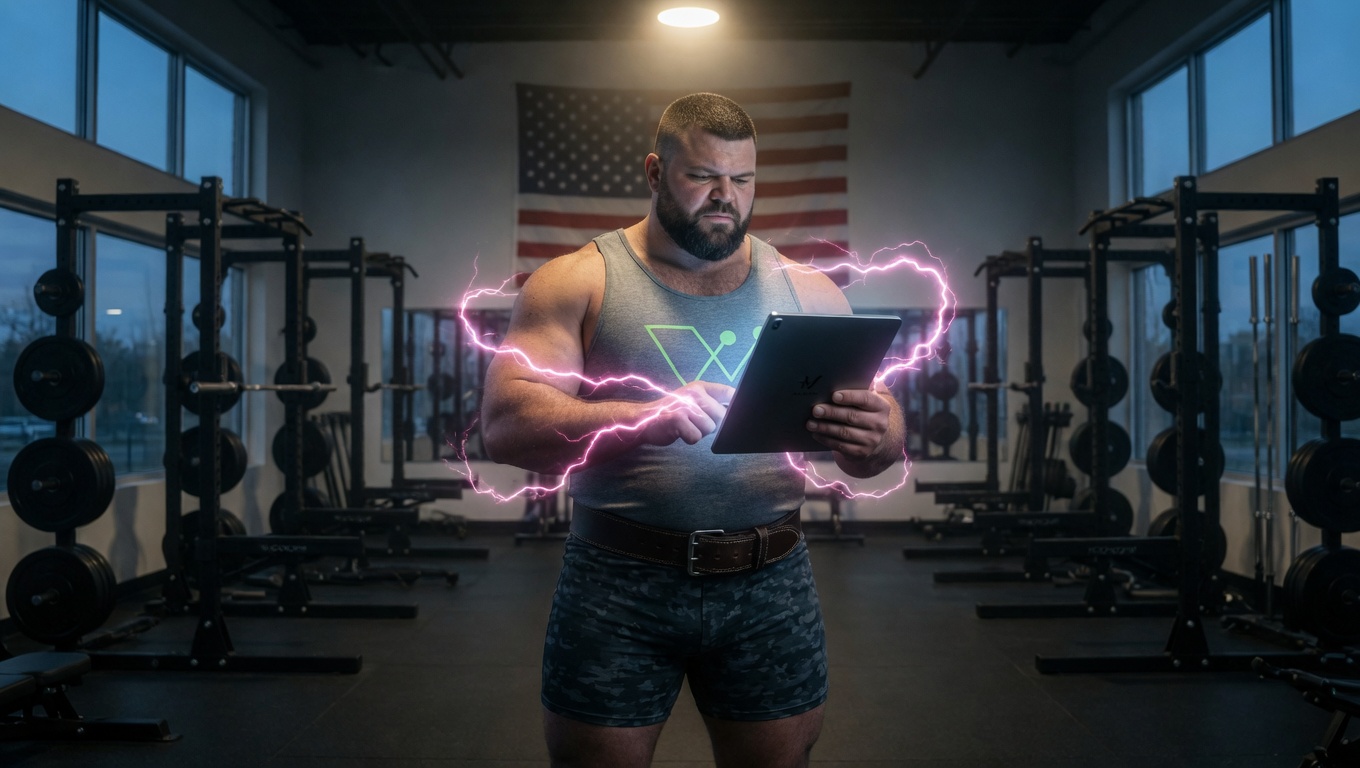 10 min read
The gym operating system: what AI-run gyms look like
Gym management software today is five disconnected tools. One agent that knows attendance, comms, billing, and programming together changes what running a gym looks like.
Read 8 min read
Phase potentiation: why your training blocks need to talk to each other
Each phase sets up the next. Real coaching carries state across blocks — training maxes, RPE calibration, injury notes — instead of restarting the template every cycle.
Read 8 min read
How Yuge handles training interventions
An intervention is a deliberate change in response to a signal — not the scheduled deload. A four-level ladder escalates from exercise tweaks to a full program reset, gated by a health score.
Read 8 min read
How we think about safety in an AI coach
An AI coach advising on pain, injuries, and load needs hard limits, not suggestions. An automated eval suite tests the boundaries we enforce.
Read 8 min read
AI won't replace your coach. It'll make the good ones unstoppable.
AI doesn't replace coaches — it lets the good ones cover more lifters with more precision. Lifters who pair with AI early will be in a different category.
Read 7 min read
What is DUP training and when does it actually make sense?
Daily undulating periodization rotates rep ranges within the week, not across months. It suits intermediates with stable recovery; most who fail it ran it before they were ready.
Read 5 min read
Why we started nahyeh
The fitness app category has loggers and algorithms. The thing that's missing is an actual coach. That's what nahyeh is building.
Read